Editorial Disclosure: This article contains affiliate links. If you purchase through our links, we may receive a commission at no additional cost to you. Our editorial team researches each product thoroughly — reviewing ingredient science, manufacturer claims, user feedback, and third-party research. We maintain editorial independence and only recommend products we believe offer genuine value.
Berberine has gone from an obscure plant compound to one of the most talked-about natural supplements in the US weight loss space. The reason is straightforward — the research behind it is unusually strong for a botanical ingredient, and it targets a mechanism most fat burners ignore entirely: blood sugar and insulin regulation.
But does it actually help with weight loss? And is it worth taking alongside a stim-free fat burner? This guide covers what the evidence actually says — and how berberine compares to the best stim-free fat burners on the market.
What Is Berberine?
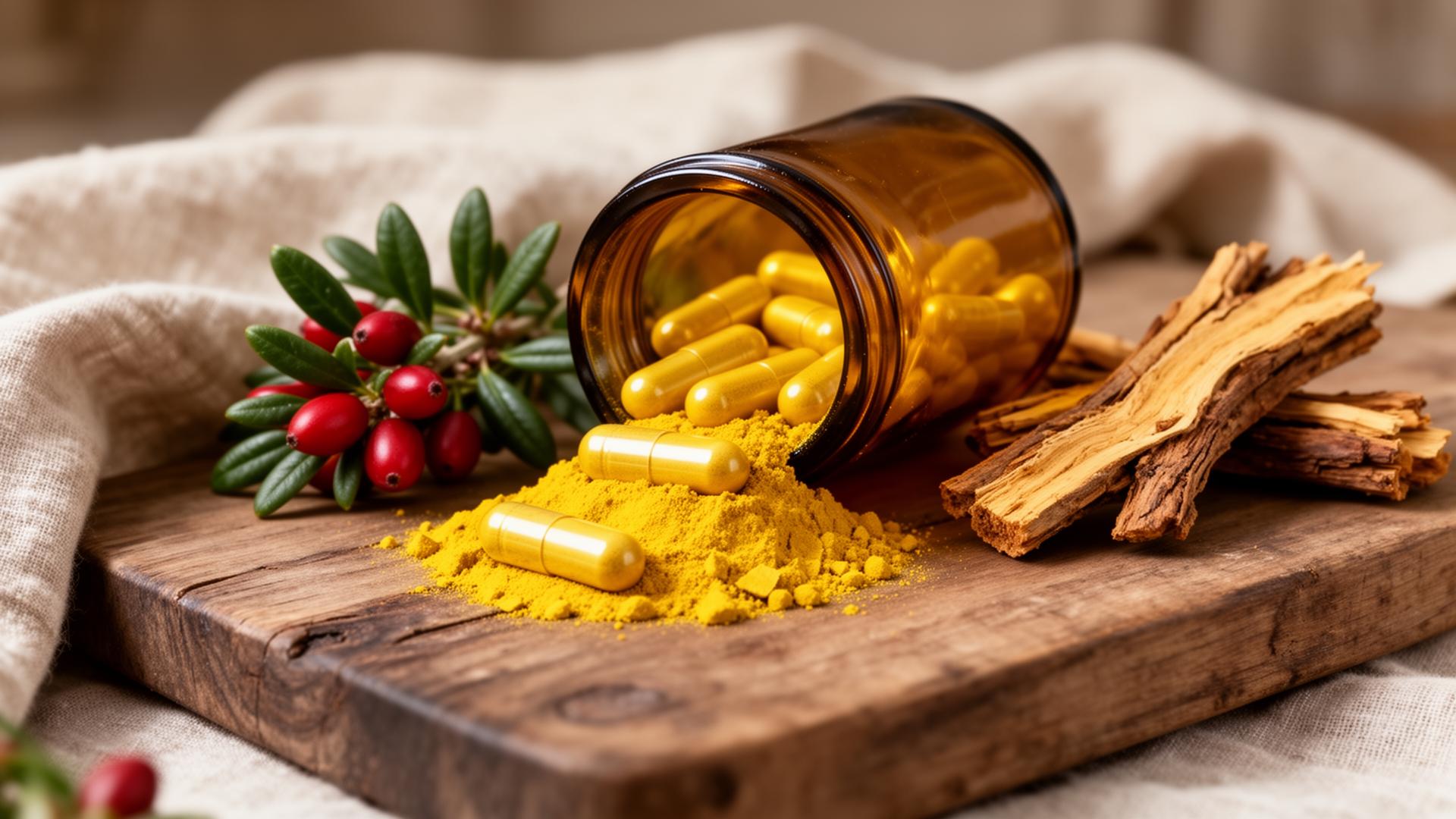
Berberine is a bioactive compound extracted from several plants including barberry, goldenseal, and tree turmeric. It has a long history in traditional Chinese and Ayurvedic medicine, but it's the modern clinical research that's put it on the map for weight management.
It's not a stimulant. It doesn't increase heart rate or energy levels. It works through metabolic pathways — specifically by activating an enzyme called AMPK (adenosine monophosphate-activated protein kinase), sometimes called the body's metabolic master switch.
How Berberine Supports Weight Loss
Unlike most fat loss ingredients that focus on thermogenesis or appetite suppression, berberine works primarily through three mechanisms:
Insulin sensitivity
Reduces fat storage and stabilises energy between meals.
AMPK activation
Increases fat oxidation and inhibits new fat cell formation.
Cravings control
Steadier blood sugar means fewer sharp hunger spikes.
1. Improving Insulin Sensitivity
Berberine has been shown to improve how efficiently the body processes glucose. When insulin sensitivity is poor, blood sugar spikes after meals, excess glucose gets stored as fat, and hunger returns quickly. Improving insulin sensitivity reduces fat storage and stabilises energy levels between meals.
2. Activating AMPK
AMPK activation increases fat oxidation — the process by which stored fat is broken down and used for energy. It also inhibits fat cell formation and reduces lipid synthesis. This is the same pathway activated by exercise, which is why berberine is sometimes described as having exercise-mimicking properties at a metabolic level.
3. Reducing Appetite Indirectly
By stabilising blood sugar, berberine reduces the sharp hunger spikes that follow high-carbohydrate meals. This isn't appetite suppression in the traditional sense — it's more that cravings become less intense when blood sugar is better regulated.
What Does the Research Actually Show?
The evidence base for berberine is stronger than most natural weight loss ingredients. Key findings:
- A meta-analysis published in Evidence-Based Complementary and Alternative Medicine analysed multiple randomised controlled trials and found berberine supplementation was associated with significant reductions in body weight, BMI, and waist circumference compared to placebo.
- Research published in Metabolism: Clinical and Experimental found berberine comparable to metformin — a pharmaceutical diabetes medication — in its effects on blood sugar regulation. This is a notable finding given metformin's established track record.
- A 2020 meta-analysis found that berberine supplementation reduced body weight by an average of 2.27kg and waist circumference by 2.45cm across studies.
Realistic expectation: these results come from studies lasting 8–16 weeks with consistent daily dosing. Berberine is not a rapid fat loss solution. It works gradually by improving the metabolic conditions that make fat loss easier.
Who Benefits Most From Berberine?
Berberine is particularly well suited for:
- People who struggle with blood sugar stability — energy crashes after meals, strong carbohydrate cravings, difficulty feeling full.
- Adults over 35 experiencing insulin resistance — increasingly common with age and a significant driver of abdominal fat accumulation.
- People with type 2 diabetes or prediabetes — though always consult your doctor first as berberine can interact with diabetes medication.
- Anyone looking for sustainable metabolic support without stimulants.
- Those combining it with other non-stimulant fat loss ingredients for a broader effect.
Who Should Be Cautious
People on diabetes medication
Berberine has a meaningful effect on blood sugar and can interact with metformin and other glucose-lowering drugs. Always check with your doctor before adding berberine if you're on any diabetes treatment.
Pregnant or breastfeeding women
Insufficient safety data.
People on blood pressure medication
Some evidence of interaction at higher doses.
Anyone scheduled for surgery
Berberine may affect blood sugar control during procedures.
Berberine vs Other Non-Stimulant Fat Loss Ingredients
| Ingredient | Primary Mechanism | Best For | Evidence Level |
|---|---|---|---|
| Berberine | Blood sugar and insulin | Metabolic support, abdominal fat | Strong |
| P-Synephrine | Thermogenesis | Resting metabolic rate | Strong |
| Capsaicin | Thermogenesis | Energy expenditure | Strong |
| Glucomannan | Appetite/satiety | Reducing calorie intake | Strong |
| L-Carnitine | Fat transport | Fat oxidation support | Moderate |
| EGCG (green tea) | Thermogenesis/metabolism | Broad metabolic support | Good |
Berberine works through a different pathway to most fat loss ingredients which is why it combines well with thermogenic compounds like p-synephrine and capsaicin. It addresses the blood sugar side of fat loss while the thermogenics address the energy expenditure side. For more on this, see our guide on how non-stimulant fat burners work.
Dosage: What the Research Uses
Most studies use 500mg taken 2–3 times per day with meals — totalling 1000–1500mg daily. Taking it with meals is important as it blunts the blood sugar response to food directly.
Important note: berberine has relatively poor bioavailability on its own. Some formulations use berberine HCl or combine it with piperine (black pepper extract) to improve absorption.
Buying Berberine in the US — What to Look For
In the US, berberine supplements are widely available but quality varies significantly. When buying:
- Look for berberine HCl form — better absorbed than plain berberine.
- Check the dose — products with less than 400mg per serving are likely underdosed.
- Avoid proprietary blends that hide the berberine dose.
- Look for GMP-certified manufacturing.
- Check for third-party testing where possible.
Final Verdict
Berberine is one of the better-evidenced natural ingredients for metabolic weight loss support. It won't produce dramatic rapid fat loss, but for people struggling with blood sugar regulation, insulin sensitivity, or stubborn abdominal fat — it addresses the root mechanism in a way most supplements don't.
It's best used as part of a broader approach alongside dietary management and ideally combined with other non-stimulant fat loss ingredients that target thermogenesis and appetite.
If you're on any medication — particularly for blood sugar or blood pressure — check with your doctor before starting.
Citrus Burn includes berberine alongside p-synephrine and other non-stimulant ingredients — read our full CitrusBurn review for the complete formula breakdown.
See our top non-stimulant fat burner with berberine
See Our #1 Recommended Stim-Free Fat Burner*Affiliate link — we may earn a commission at no extra cost to you.